Building a portfolio for work that's mostly invisible
By Liesa Witt · Published · Updated
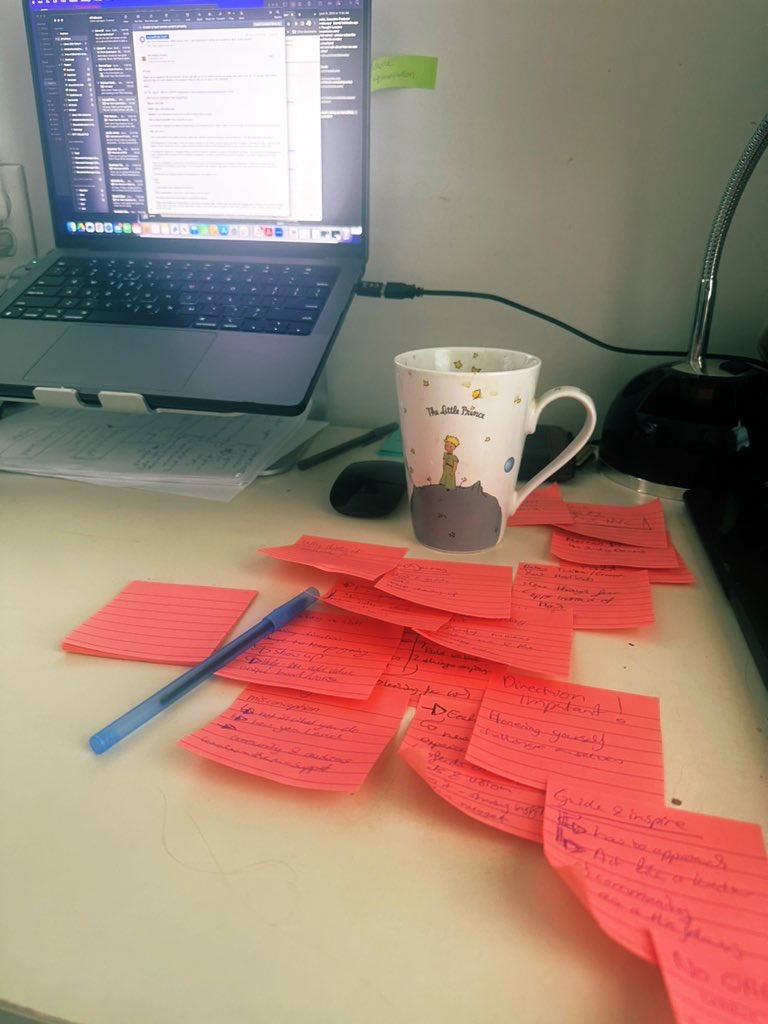
Notes on building a portfolio for work that's mostly invisible, alignment, structure, decisions that hold, and why clarity matters more than polish.
Building a portfolio for work that's mostly invisible
A lot of what I do doesn't photograph well.
Aligning people who don't quite agree. Structuring something that doesn't exist yet. Quietly preventing problems no one will ever know about. If you work in project management, knowledge management, or process improvement, you know the shape of it. The work is real. It's just hard to point at.
That's what made the portfolio harder than I expected.
The default options didn't fit
A list of roles tells you where I sat, not what changed because I was there. A polished case study sands off the parts that actually matter, the mess before the structure, the decisions that held under pressure, the things that kept working after I left.
So I wrote toward those instead. Less managed stakeholders. More: what shifted, what held, what still worked once I was out of the room.
A portfolio today is also searchable
There's a practical layer I had to take into consideration. A portfolio isn't only a document. It's something people search for. It is a living artefact that grows alongside your experience.
While writing, and vibe coding my page I kept asking myself:
Because the honest version is simple. If your work can't be found, it can't be chosen.
What I kept, what I cut
What I kept was small. A few key words in my work history marked as milestones instead of a long detailed lists. A short How I work section. A clear portrait of ny work practices and work history.
What I cut was anything that could have belonged to anyone, sounded off or added noise.
What this exercise did to me
The unexpected part was that while building a portfolio page I thought about what is the best way to showcase my experience and expertise.
This thought forced me to get specific about where I actually add value, what kind of work I want more of, and what I no longer need to position myself for. Less documenting the past. More about sharing value in real time and shaping what comes next.
If you're building your own
A few things that I am implementing now are:
One last thought
A good portfolio doesn't try to impress. It makes the work clear and offers something useful before anything is asked in return. You could think of it as a kind of digital servant leadership, quietly helping the person searching find the person who can solve their problem.
About the author
Liesa is a German founder and writer living in New York City. She writes first-hand guides for Europeans moving to New York and honest stories about building a life after the move.